
Transforming Plans Into Functional Outdoor Spaces
Landscape Installation in Battleboro for properties ready to implement completed design plans
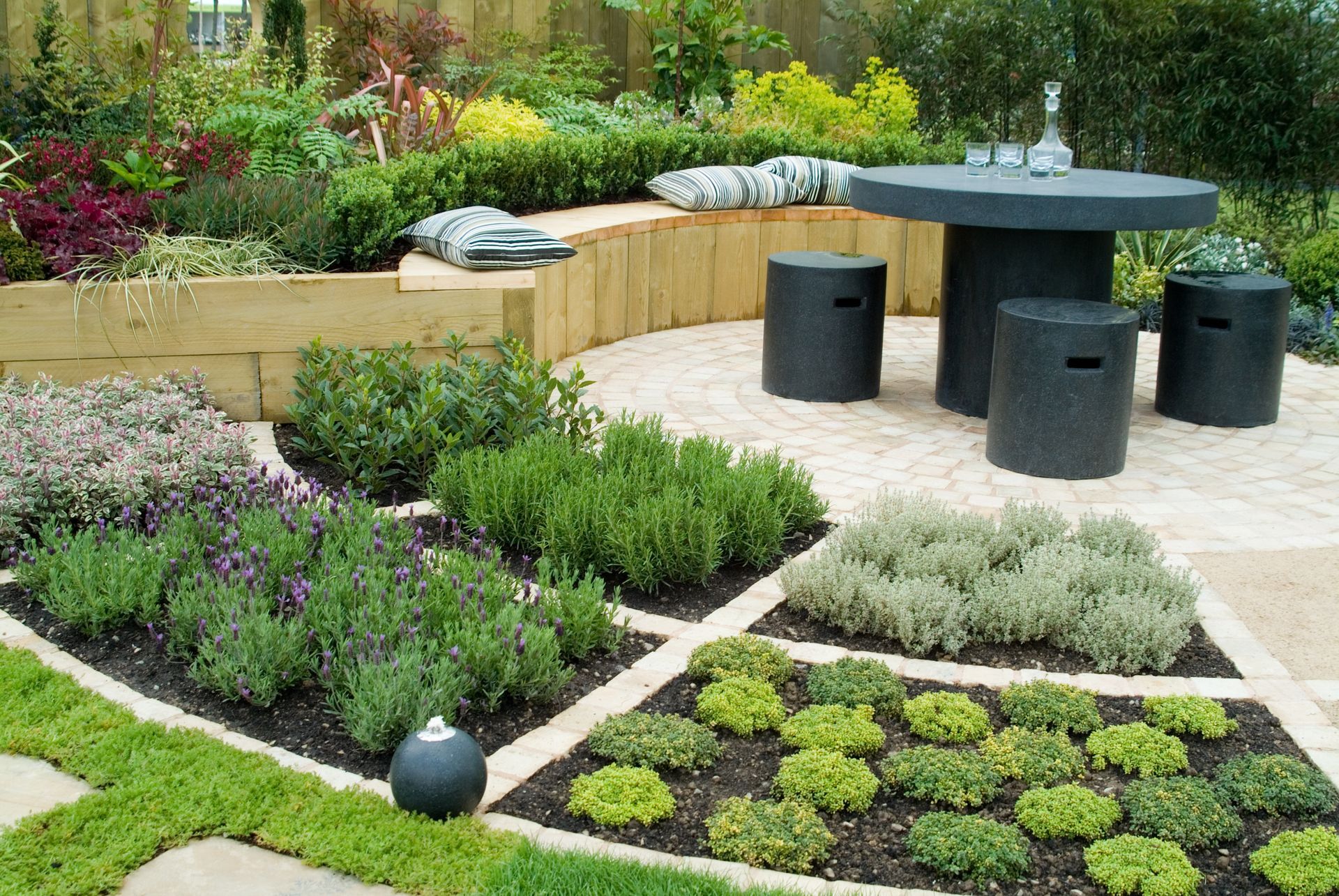
Standing water collects in low areas of the yard, plant beds lack definition, and the property lacks the visual structure shown in landscape photos. Lyons Landscaping installs planting beds, shrubs, trees, decorative stone, mulch, edging, and landscape features that turn design concepts into finished outdoor environments. Installation projects in Battleboro include site preparation, proper planting techniques, and quality materials selected to support healthy growth and long-term durability.
Professional installation addresses subsurface conditions that affect plant health and hardscape performance. Crews prepare planting beds by amending soil where needed, install edging that prevents mulch migration and grass encroachment, and position plants according to mature size rather than immediate visual impact. Decorative stone and mulch applications include landscape fabric or weed barriers in high-maintenance areas. These preparations create environments where plantings establish quickly and hardscape features remain stable.
Arrange an installation consultation to review material options and project timelines for your landscape plan.
What Proper Installation Requires
Installation work follows a sequence that protects completed elements while preparing areas for subsequent work. Grading adjustments and drainage improvements happen before planting beds are constructed. Hardscape elements like retaining walls and patios are completed before nearby planting beds receive soil amendments and plantings. This phased approach prevents damage to finished work and ensures proper transitions between landscape zones.
After installation completes, planting beds have clean edges, mulch is applied at consistent depths, plant root balls sit at proper depths to avoid settling, and decorative stone areas have stable bases that resist shifting. Trees are staked only when necessary to prevent wind damage during establishment, and shrubs are positioned to allow air circulation that reduces disease pressure. Walkways and patios connect smoothly to planted areas without abrupt transitions or gaps where weeds establish.
Landscape installation often complements other outdoor projects—patios become focal points surrounded by plantings, retaining walls integrate with terraced planting beds, and lighting highlights specimen trees or architectural features. Coordinating these elements during installation creates cohesive designs rather than collections of disconnected features.
Common Questions About Installation Projects
Homeowners preparing for landscape installation ask about project logistics, material performance, and how installations affect existing site conditions.
What site preparation happens before installation begins?
Installation crews clear existing vegetation from project areas, adjust grades where specified in design plans, and address drainage concerns that would affect plant health or hardscape stability. Utility lines are located before any excavation work begins.
How do you determine planting depths for trees and shrubs?
Plants are installed so the root flare sits slightly above surrounding grade, preventing water accumulation around trunks that leads to rot. Planting holes are dug wider than root balls but not deeper, allowing roots to spread laterally into native soil.
What maintenance do new plantings require after installation?
Newly installed plants need consistent moisture during their first growing season while roots establish in surrounding soil. Mulch depth is maintained at two to three inches to retain moisture and moderate soil temperature without smothering roots.
How does Battleboro's soil affect installation practices?
Clay-heavy soils common in the area require amendments to improve drainage and root penetration. Installation crews blend organic matter into planting beds and ensure finish grades direct water away from plant root zones.
What determines the timeline for a landscape installation?
Project duration depends on site size, the number of plantings and features included, weather conditions, and whether grading or drainage work is required before planting begins. Most residential installations complete within several days to two weeks.
Lyons Landscaping handles landscape installations with attention to site preparation and planting practices that support long-term landscape health. Contact us to schedule a site evaluation and review installation options for your outdoor space.