
Water Management That Protects Property Investments
Drainage Solutions in Battleboro for yards experiencing standing water and erosion damage
Water pools in low areas after storms, downspouts discharge directly against foundations, and erosion channels form across slopes during heavy rain. These conditions damage landscapes, compromise hardscape installations, and threaten foundation integrity. Lyons Landscaping designs drainage systems for Battleboro properties based on grading conditions, soil types, and how water currently moves across the site. Custom drainage strategies integrate with retaining walls, patios, and landscape installations to provide long-term performance rather than temporary fixes.
Drainage problems develop when surface grades direct water toward structures instead of away from them, when soil compaction prevents infiltration, or when runoff volumes exceed the landscape's capacity to absorb moisture. Poor drainage creates saturated soil conditions where plantings fail, causes standing water that breeds mosquitoes, and undermines hardscape features by washing away base materials. Addressing these issues requires understanding where water originates, how much volume needs management, and where it can be safely directed.
Request a drainage assessment to identify water flow patterns affecting your property.
How Drainage Systems Address Water Problems
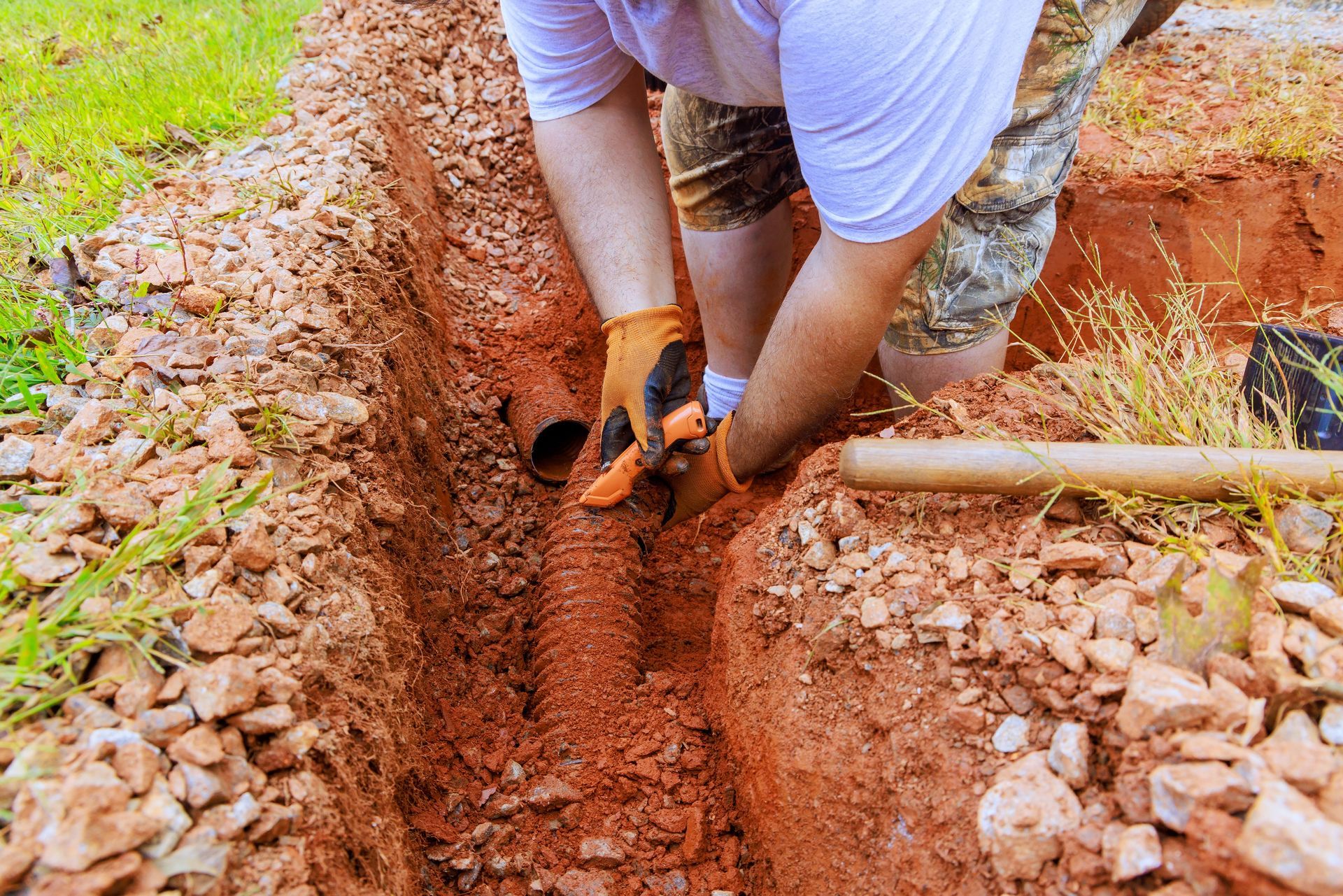
Drainage solutions include French drains that intercept subsurface water, channel drains that collect surface runoff, downspout extensions that direct roof water away from foundations, and grading adjustments that improve surface flow. System design depends on whether water problems result from surface runoff, subsurface seepage, or inadequate slope. French drains use perforated pipe surrounded by gravel to collect and redirect subsurface moisture, while surface solutions like swales or channel drains handle runoff before it infiltrates.
After drainage improvements are installed, areas that previously held standing water drain within hours of rainfall ending. Erosion channels stop expanding because runoff is captured and directed through controlled paths. Foundation perimeters remain dry rather than saturated, basements and crawlspaces experience less moisture intrusion, and plantings establish successfully in areas that were previously too wet. Hardscape features like patios and retaining walls remain stable because water no longer undermines their base materials.
Drainage work often coordinates with other landscape improvements—retaining walls include weep holes and backfill drainage, patio installations incorporate slope and edge drains, and planting bed locations account for improved moisture distribution. Planning these elements together prevents situations where one feature creates drainage problems for another.
Questions Before Starting Drainage Work
Homeowners dealing with water problems ask about drainage system design, installation requirements, and how improvements affect existing landscape features.
What causes standing water in yards?
Standing water results from inadequate surface slope, compacted soil that prevents infiltration, low spots where water collects, or subsurface clay layers that trap moisture. Identifying the specific cause determines which drainage solution will work.
How do French drains differ from surface drainage systems?
French drains address subsurface water by installing perforated pipe in gravel-filled trenches that intercept and redirect groundwater. Surface drainage systems use grading, swales, or channel drains to manage runoff before it infiltrates. Many properties need both approaches.
Where does collected water go after drainage systems capture it?
Drainage systems direct water toward lower areas of the property, existing storm drains, or dry wells where it infiltrates gradually. Local regulations in Battleboro may affect discharge options, particularly for properties near wetlands or drainage easements.
How does Battleboro's clay soil affect drainage solutions?
Clay-heavy soils common in the area drain slowly, requiring systems that intercept water before saturation occurs. French drains are installed deeper to reach more permeable soil layers, and surface systems are sized to handle larger runoff volumes.
What maintenance do drainage systems require?
Inspection of drain inlets and outlets after major storms ensures debris hasn't blocked flow. French drain systems typically function for many years without maintenance if installed with proper filtration fabric, while surface systems may need occasional clearing of leaves or sediment.
Lyons Landscaping develops drainage strategies customized to property conditions and water management needs. Schedule an evaluation to discuss system options that address specific drainage concerns affecting your landscape and outdoor features.